
- Fiber is usually the better choice for most homes because it offers faster, more consistent speeds and stronger reliability than 5G home internet.
- 5G home internet can be a solid alternative if fiber isn’t available, especially when you live close to a 5G tower and want easy setup.
- Fiber delivers more stable performance with speeds that are less affected by congestion, distance, weather, or physical barriers.
- Symmetrical speeds are a major fiber advantage — uploads are often just as fast as downloads, which is ideal for video calls, streaming, gaming, and working from home.
- The best option depends on your location, budget, and internet needs — compare local availability, monthly pricing, and setup costs before deciding.
If you’re looking for the best internet option for your home and unsure where to start, you’re in the right place! We’ll discuss 5G home internet vs. fiber and determine which is best for you.

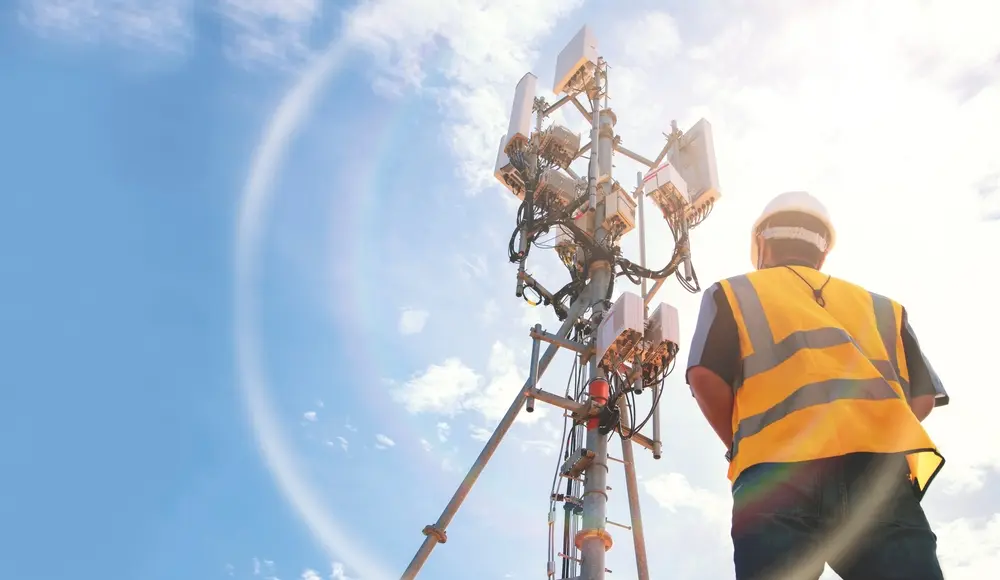
5G home internet is a wireless technology that connects your devices to the internet through a network of 5G towers. This means you can have fast internet without cables running into your home. On the other hand, fiber internet uses super-thin fiber-optic cables to transmit data at the speed of light, providing lightning-fast and stable connections.
In the following sections, we’ll dive deeper into each option’s pros and cons to help you decide which one is best suited for your needs. So, let’s get started!
5G Home Internet vs Fiber: Speed
We all want our internet to be fast so we can do all our streaming, gaming, and browsing without lagging and buffering. Let’s see how 5G home internet vs fiber optics stack against each other.
5G home internet is a new player in the telecommunications industry, as it has only been used since 2018. It can reach speeds of up to 1 Gbps or even more. But there’s a catch – your speed depends on how close you are to the 5G tower. The further away you are, the slower your connection will be. This translates to 5G internet speeds between 100 and 300 Mbps.
On the other hand, fiber optics is the veteran in the game. It’s been around for a while, and it’s also super fast. Fiber can deliver speeds of up to 10 Gbps. Unlike 5G internet, your speed doesn’t really depend on how many people are online or how far away you are from the source.
So, is 5G better than fiber when it comes to speed? If you’re close to a 5G tower and there’s not much network congestion, you could reach similar speeds to fiber. But if you’re farther away or there are tons of users, fiber is the only way to go.
5G Home Internet vs Fiber: Reliability
Now that we’ve talked about speed let’s dive into reliability. This is about having a stable and dependable internet connection, which matters for an enjoyable online experience.
With 5G home internet, reliability can be a bit of a rollercoaster. Since it’s a wireless connection, it can be affected by network congestion, weather, and physical barriers like trees or buildings. If you’re in a crowded city, you might experience some hiccups with your connection.