“Smart homes are just a passing fad,” scoffs the cynic who hasn’t kept up. Well, in 2026, that couldn’t be further from the truth. Smart home ideas hitting the market now are smarter, more affordable, and more seamlessly integrated than ever. And if you’re lucky enough to have fast fiber internet, all these devices will run smoother than ever – without buffering or lag.

At Race, we’ve been tracking the latest smart home ideas and trends, from AI assistants that practically read your mind to security systems that put old-school alarms to shame.
Here’s a curated list of the best smart home tech for 2026 to amp up your connected home life. Whether you’re a tech-savvy homeowner on a budget or ready to splurge a bit, these picks cover a range of categories, all with an eye on value and impact.
1. Smart Thermostats – Climate Control on Autopilot
Price: ~ $120–$250, depending on the model.
A smart thermostat is one of the most impactful smart home ideas for both comfort and savings. These devices learn your schedule and preferences, adjusting the temperature automatically to keep you cozy and cut waste. For example, the Nest Thermostat can save around 10–12% on heating and 15% on cooling costs on average – meaning it often pays for itself in under two years.
You can control the thermostat remotely via smartphone or voice (“Alexa, set living room to 72°F”), so no more rushing home to a frigid house in winter. Many models also provide energy reports and tips to further optimize your usage.
Newer smart thermostats coming into 2026 even use AI to detect patterns and adjust settings preemptively. Your home anticipates your needs (warming up before you wake and dialing back when you’re away) with minimal manual tweaking.
It’s climate control on autopilot, and your utility bills (and toes) will thank you.
2. Smart Lighting Systems – Illuminate with Intelligence
Source: Philips Hue
Price: Starter kits from ~$100; individual smart bulbs from ~$10–$30 each; smart switches ~$50–$60.
Swapping out regular lights for smart lighting is a bright idea to instantly modernize your space.
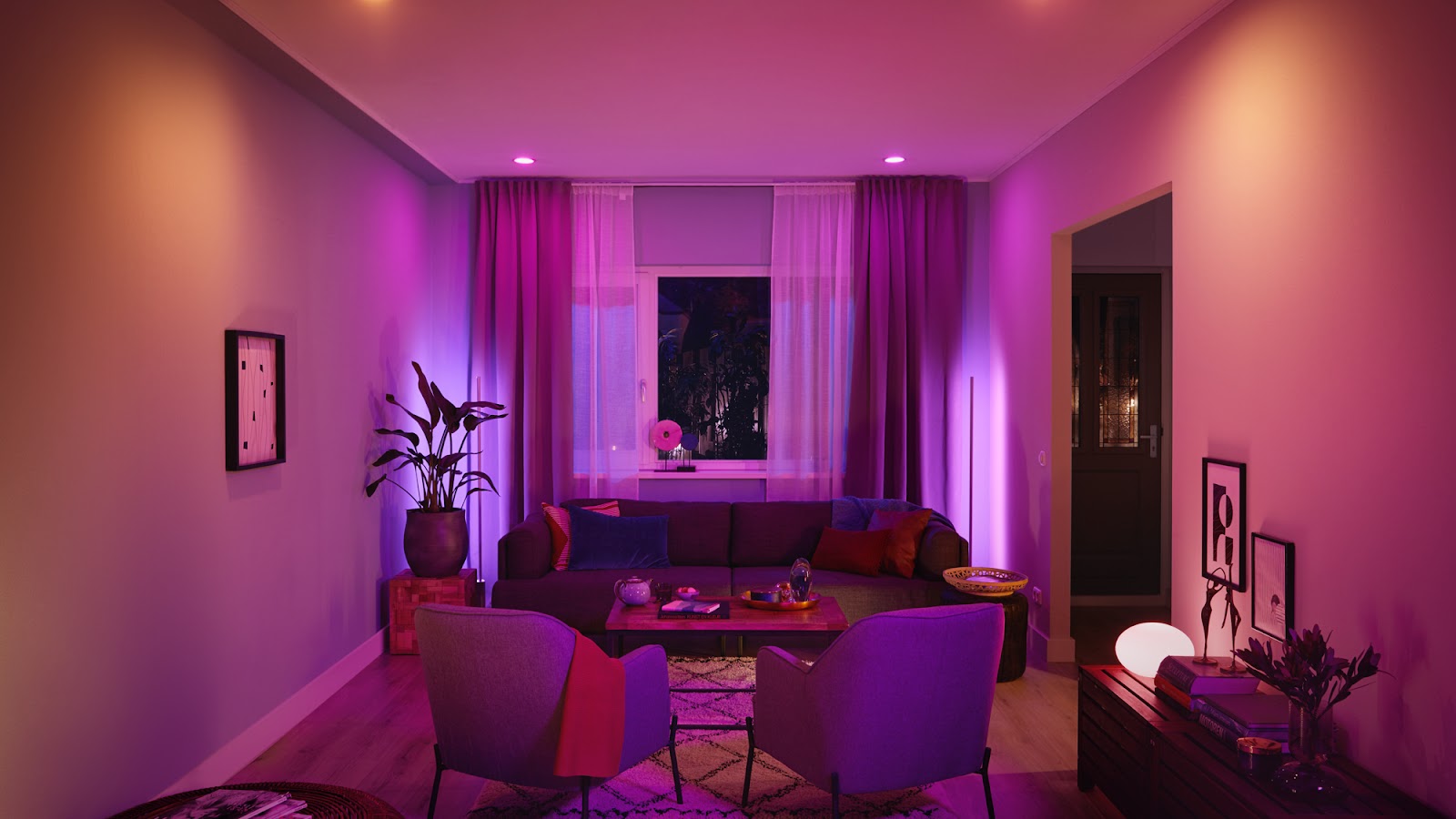
With smart lighting ecosystems like Philips Hue, you can control every light with an app or voice command, dimming the lights for movie night or changing colors for ambiance is as easy as asking.
In 2025 they even introduced a Hue Bridge Pro that can handle 200+ devices (150 lights + accessories) and turn your entire lighting setup into a motion-sensing network.
Smart LEDs are also energy-efficient, and scheduling lights or adding motion sensors means lights are only on when needed. In fact, advanced smart lighting systems can reduce lighting energy costs by an estimated 35–70% through features like occupancy sensing and dimming. You’ll save electricity and never have to worry if you left the lights on.
Bonus: many smart lights sync with music or TV for immersive effects, turning your living room into a personal theater or party zone. It’s smart home idea 101: smarter bulbs, happier life.
3. Voice Assistants & Smart Speakers – Your Home’s New BFF
Source: About Amazon
Price: ~$50 for mini speakers (Echo Dot, Nest Mini); ~$100–$250 for larger speakers or displays (Echo Show, Nest Hub Max).
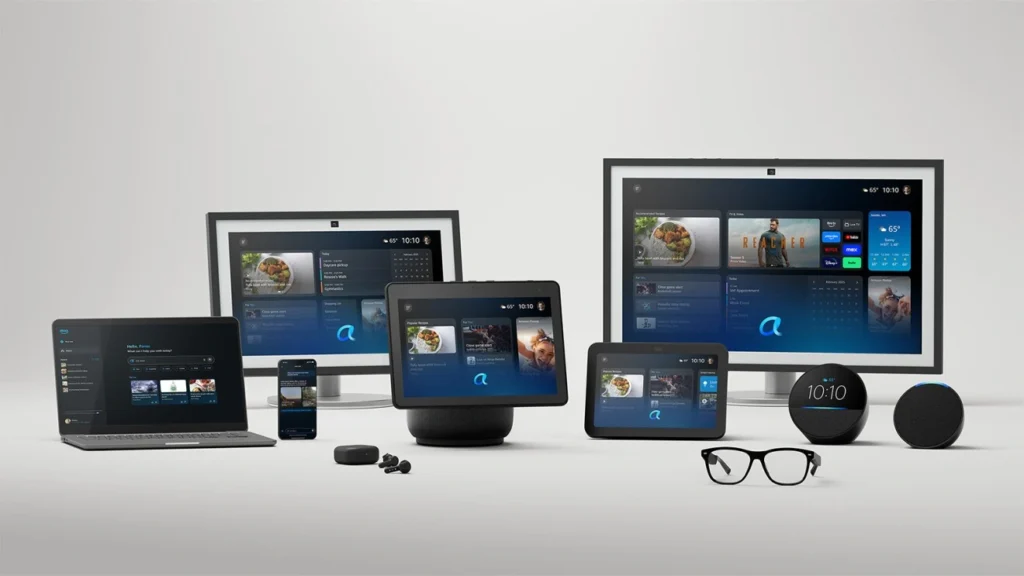
A few years ago, Alexa and Siri might’ve just told you the weather or played a song. In 2026, these AI home assistants have leveled up big time. They act as the friendly voice interface for all your gadgets, and they’re much smarter now. Amazon, for instance, rolled out Alexa+ (Alexa’s generative AI upgrade) which makes Alexa far more conversational and capable of complex tasks.
Think of being able to say, “Hey Google, secure the house,” and your assistant will lock the doors, adjust the thermostat, turn off lights, and maybe even ping your phone if a security camera sees something unusual.
AI-powered home assistants are improving at managing climate, lighting, sound systems, security, and appliances based on your actual usage patterns. In other words, they learn what you need and when. Almost like an electronic butler!
From a practical standpoint, a smart speaker lets you control your entire smart home with hands-free ease. Arms full of groceries? Just say “Alexa, turn on the kitchen lights.” Cozy in bed? “Hey Siri, lower the thermostat to 68.” These assistants also entertain (music, podcasts, trivia games) and inform (news briefs, recipes, calendar reminders), all via voice.
4. Smart Doorbell Cameras – Front Door Security 2.0
Price: ~$80–$200, depending on features (video resolution, battery vs. wired, brand).
Video doorbells have gone from novelty to near necessity in a modern smart home. They are your first line of defense (and convenience) at the front door. When someone rings the bell or approaches your porch, you get an alert and live video feed, so you can see who’s there from anywhere.
Even budget-friendly models are impressive now. For under $100, you can get a 2K resolution video doorbell (like TP-Link’s Tapo D225) that provides a head-to-toe view of visitors and even includes a plug-in chime. Higher-end options add features like package detection, facial recognition, or color night vision.
No matter which you choose, a smart doorbell brings serious peace of mind. You’ll know the instant FedEx drops off a package or have the ability to tell a solicitor “no thanks” via two-way audio without ever opening the door. It’s front-door security, version 2.0; a smart home idea that practically pays for itself the first time it scares off a would-be porch pirate.
5. Smart Security Cameras – Eyes on What Matters (Inside and Out)

Source: Blink
Price: ~$50–$150 for most indoor cams; ~$100–$300 for outdoor models with advanced features.
To truly amp up your smart home security, you’ll want more than just a doorbell camera. Smart security cameras let you monitor all angles (living room, backyard, garage, you name it) and modern ones are incredibly advanced. Many offer HD or 2K video, night vision, motion detection, and even AI-powered alerts for people, pets, or packages.
This means you get notified if something important happens (say, Fido jumping on the couch or an unknown person in the yard) rather than constant pings for every rustling leaf. Some indoor models, like the Arlo Essential Indoor, even include 360° pan-and-tilt capability, covering a whole room with one cam.
For 2026, a big trend is smarter surveillance through AI. Google’s latest Nest Cam and Doorbell, for example, leverage the new Google Gemini AI to describe and summarize events the camera sees and allow natural language video search. Scrubbing through hours of footage is old news – now you can ask your cam “Did the dog walker come today?” and have AI jump to the relevant clip.
Privacy-conscious buyers will be happy to know many cameras (e.g., Eufy and Aqara models) offer local storage options or on-device processing, so your footage isn’t constantly in the cloud.
6. Smart Locks – Keyless Convenience and Security
Source: August
Price: ~$150–$300 for most models (higher end may include extra sensors or keypad accessories).
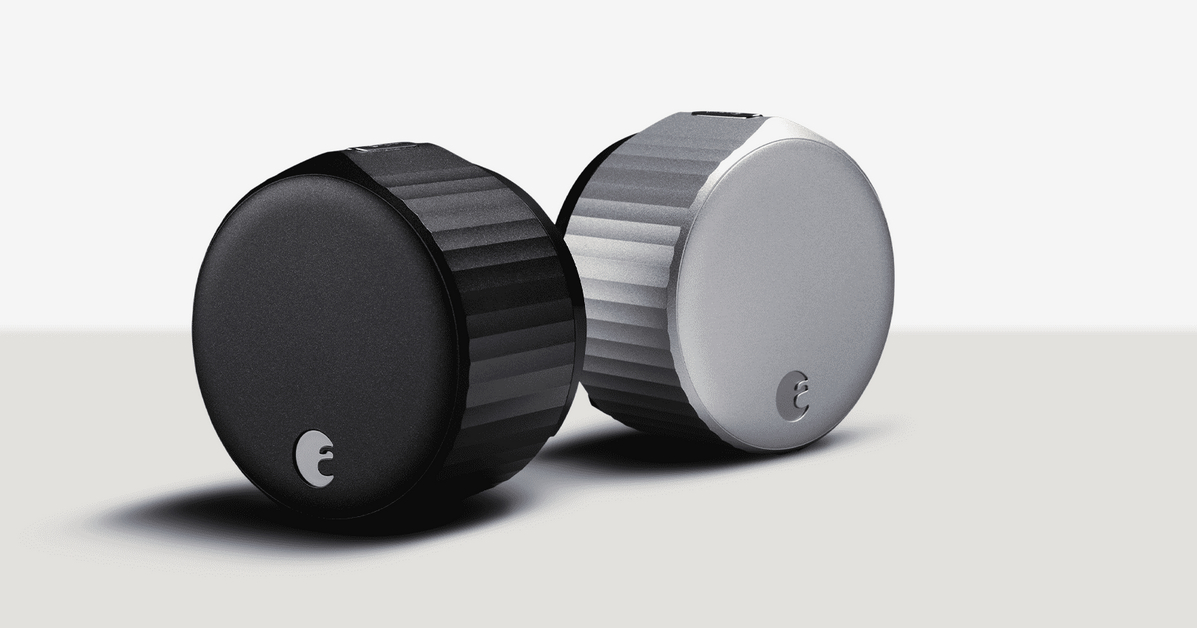
Juggling keys is so last decade. A smart lock is a simple but game-changing smart home idea that brings both convenience and security. With a smart lock installed, your smartphone (or smartwatch) becomes your key. Many locks auto-unlock as you approach (via Bluetooth geofencing) and auto-lock when the door closes, so you never have to fumble or wonder “Did I lock the door?”.
You can also remotely lock/unlock from anywhere – handy if a guest arrives early or if you need to let in a contractor while you’re at work.
Worried about security? Today’s best smart locks are as tough as traditional locks and use encryption to keep access secure. For example, the Level Lock Pro looks like a regular deadbolt on the outside but packs state-of-the-art tech inside; it can be unlocked via NFC keycard, phone app, voice command, or an old-fashioned PIN on a paired keypad. It even supports Apple Home Key and works with all major ecosystems.
The benefits extend beyond never getting locked out. You can temporarily share digital keys with friends or Airbnb guests and receive smartphone notifications whenever the door is opened. Some models log entries, so you have an audit trail of who’s coming and going.
And if you’re the type to lose keys, rejoice! No more locksmith visits or hiding spares under the mat. For a relatively modest cost, a smart lock upgrade adds a high-tech welcome home and extra peace of mind to your daily routine.
7. Robot Vacuums (and Mops) – Automated Cleaning Assistants
Source: iRobot
Price: ~$200–$500 for mid-range models; up to $800+ for high-end with advanced features (self-emptying bins, etc.).
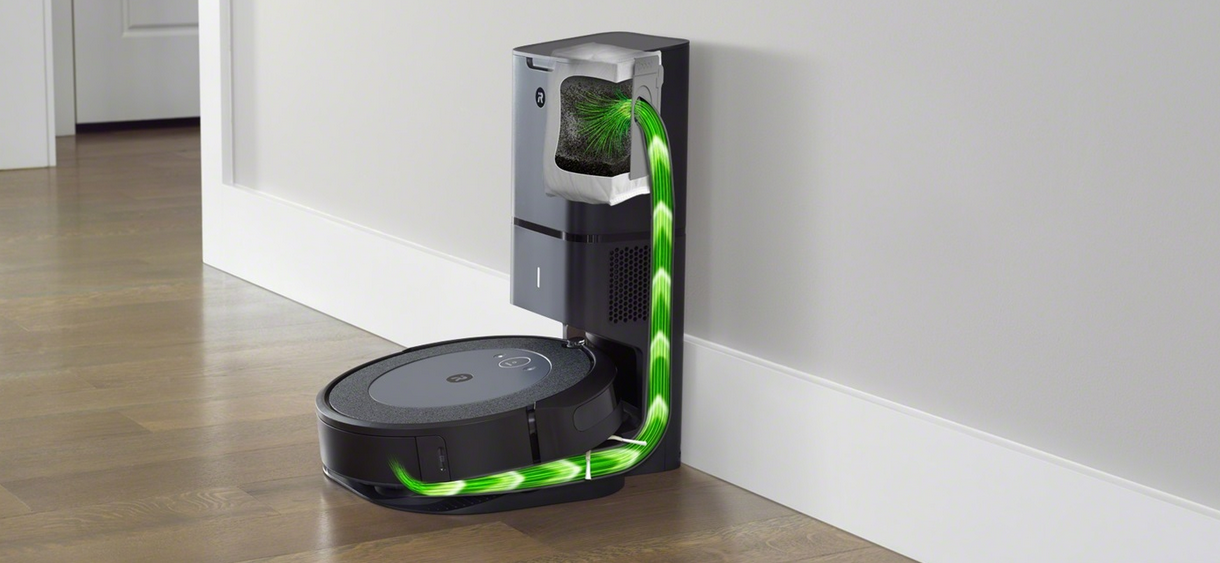
Cleaning your floors is probably not your favorite chore. Enter the robot vacuum: a quintessential smart home idea that frees you from vacuum duty and keeps your home cleaner daily instead of just weekly.
Modern robo-vacs use smart mapping to learn your home’s layout, navigate around furniture (some even have AI object recognition to avoid small hazards like socks or pet accidents), and can be scheduled to run automatically or on demand via app/voice.
Many models, like the Roborock and newer Roombas, also have a mopping function or pairing, so they’ll vacuum and wet-mop in one go – tackling dust and sticky kitchen spills.
8. Smart Plugs & Energy Monitors – Make Any Device Smart

Source: Tapo
Price: ~$10–$25 per plug (often sold in multi-pack bundles).
Not everything in your home is “smart”… but a smart plug can give almost any appliance a brain. This is the sleeper hit of smart home ideas because of its versatility and low cost. Plug in a lamp, fan, coffee maker, space heater, and instantly you can turn it on/off with your phone or voice assistant.
Many smart plugs also measure energy usage, so you can identify power-hungry devices and save on bills. For example, you might discover your old TV or game console draws a lot in standby; with a smart outlet, you can cut power completely when not in use, eliminating phantom drain.
Another big advantage in 2026: energy awareness and integration. Some smart home systems let you tie plug controls into routines. Say “Good night” to Alexa and she’ll turn off every smart plug (along with lights, etc.).
Smart plugs are an excellent affordable starting point for beginners and a handy addition for seasoned smart home tinkerers looking to automate everything.
Trends and Tips for a 2026 Smart Home
The above list of smart home ideas will get you well on your way to a decked-out smart home in 2026. But beyond individual gadgets, here are a few big-picture trends and considerations:
Don’t forget the bandwidth
All these smart home devices thrive on a strong network. Dozens of cameras, speakers, and sensors can tax a weak Wi-Fi. That’s where having fast and reliable internet really pays off.
Gigabit speeds from a fiber FTTH connection guarantee your 4K security feeds don’t stutter and your voice assistant responds instantly even while 10 other gadgets are online. Consider it the backbone of your smart home. (After all, smart home ideas are only as good as the network connecting them!)
Interoperability (Matter Standard)
If you’ve heard the buzzword “Matter,” it’s a new universal smart home standard that ensures devices from different brands work together smoothly. By 2026, many new products are Matter-certified, meaning your lights, locks, thermostats, etc., can all communicate no matter who made them.
When shopping, look for Matter or Thread support; it’s a green flag for future-proof compatibility and fewer separate apps to juggle.
Privacy & Security Improvements
With so many connected devices, security is crucial. The good news: governments and companies are stepping up. The U.S. FCC, for instance, launched a voluntary IoT cybersecurity labeling program in 2024. Soon you’ll see devices bearing the “U.S. Cyber Trust Mark” – indicating they meet baseline security standards.
Still, it’s wise to change default passwords, keep firmware updated, and use strong Wi-Fi security.
AI and Automation Everywhere
AI is the secret sauce making smart homes truly “intelligent.” From predictive thermostats to cameras that answer questions about what they saw, 2026 homes will feel more personalized.
Your routines can be learned and pre-empted by the system: lights that come on as you pull in the driveway, robot vacs that clean when you’re out, and fridges that suggest recipes based on what’s inside. Embrace these features; they’re there to save you time and thought, so you can focus on living.
Smart Home ideas in 2026: Final Thoughts
2026 is shaping up to be an exciting year for smart homeowners. The tech is maturing: gadgets are getting more affordable, more intuitive, and better at working in unison.
Whether you implement all 8 of these ideas or just start with a smart bulb and a speaker, you’ll be adding comfort, security, and efficiency to your daily life.
And with a fast internet connection fueling it all, your home will truly feel like the future: a place where routine tasks melt away, and you’re in control of every switch and sensor with a word or a tap.
Now that’s a smart home idea we can all get behind. Happy smart homing in 2026!