
Healthcare in the United States keeps getting more expensive. In 2025, the country spent $5.7 trillion on health care, about $15,474 per person. For most families, that shows up as higher premiums, bigger copays, and the quiet decision to put off a visit because money is tight.
Technology gets pitched as the fix for all of this, usually with a lot of hype about futuristic gadgets. The honest version is smaller and more useful: a handful of everyday tools can trim real money off your healthcare costs right now, and none of them require anything exotic. Here is what actually helps, and what it takes to use it.
Telehealth: the same care for a fraction of the cost
One of the biggest everyday savers is the video visit. Instead of driving to a clinic, sitting in a waiting room, and paying a facility fee, you talk to a provider from your kitchen table.
The cost difference is not small. A 2024 Penn Medicine study of more than 160,000 visits found that telemedicine ran about five times cheaper on average than in-person care, roughly $96 versus $509, and patients needed fewer follow-up appointments afterward. The gap is widest for routine stuff: a sinus infection, a rash, a medication refill, a quick mental health check-in. None of that needs a physical exam.
You still see a doctor in person when it matters. But for the visits that do not require one, telehealth quietly removes a cost most people never think to question.
Remote monitoring: catching problems before they become bills
If telehealth saves you a trip, remote monitoring can save you a hospital stay.
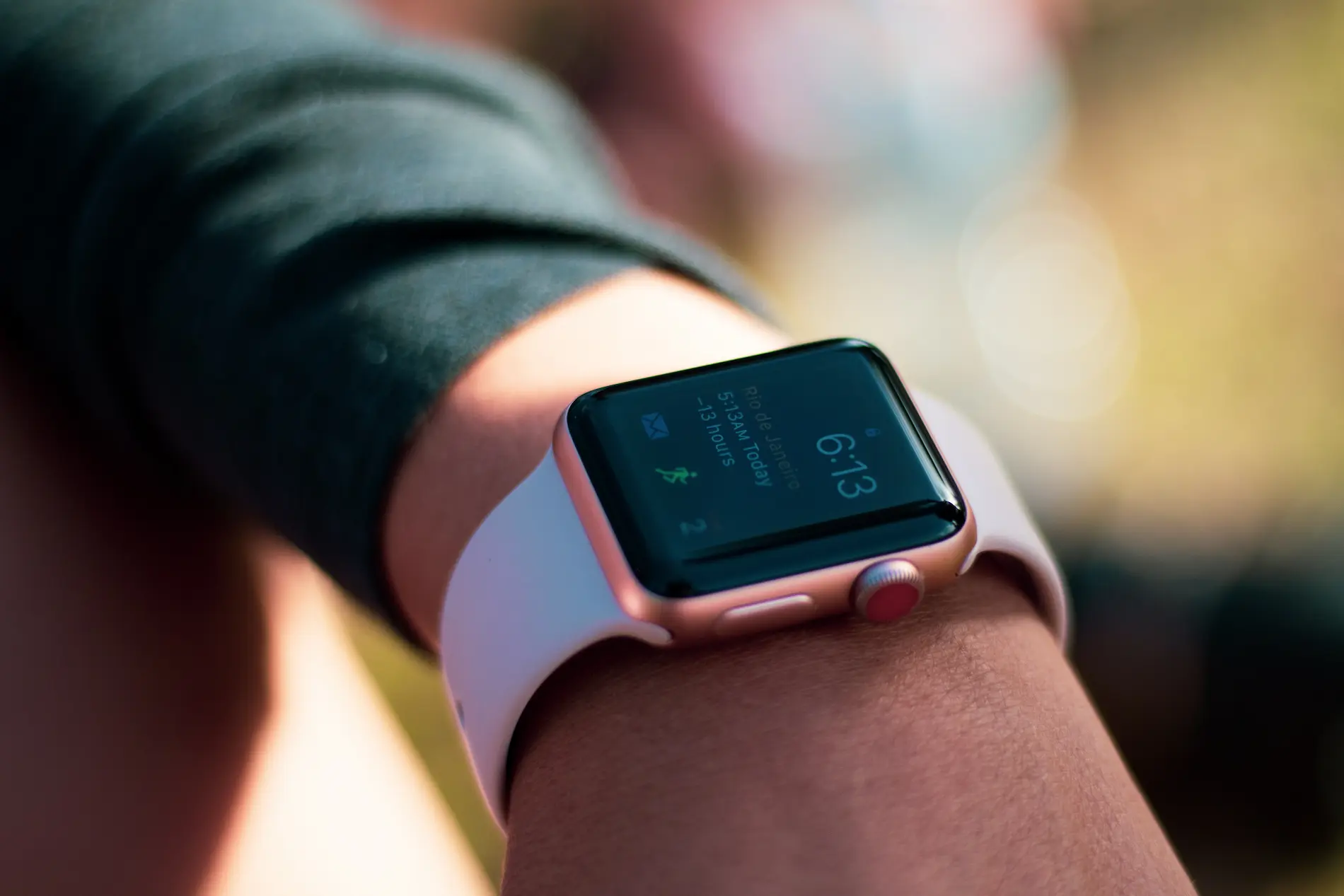
The idea is simple. A device at home (a blood pressure cuff, a glucose monitor, a pulse oximeter, a smartwatch that tracks your heart rhythm) sends readings to your care team between appointments. When something starts trending the wrong way, they catch it early, while it is still a phone call and a medication tweak instead of an emergency room visit.
This matters most for chronic conditions like diabetes, high blood pressure, and heart disease, where the expensive events are the ones that sneak up on you. Studies of these programs have found that the patients enrolled in them end up in the ER and the hospital less often. It is not a replacement for your regular care. It is an early warning system running in the background.
Shop around, even for care and prescriptions
the price of the same care can vary widely depending on where you get it, and you can now check before you pay.
For prescriptions, price-comparison apps like GoodRx or SingleCare show what a medication costs at different pharmacies nearby, and the cash price is sometimes lower than your insurance copay. Asking about a generic can cut it further.
For procedures and tests, hospitals are now required to post their prices, and cost-estimator tools let you compare what an MRI, a blood panel, or an outpatient procedure will run at different providers. A little searching before you schedule can mean paying hundreds less for the exact same service.
None of this is glamorous. It is just a laptop, a few minutes, and the willingness to ask what something costs.
What this means for your internet
Every one of these tools runs over the internet.
You need is a connection that is there when you reach for it, one that does not freeze halfway through an appointment or drop a monitor offline when it matters. For this kind of thing, steady beats fast.
That is also where the gap is widest. About 28% of people in rural areas still lack access to high-speed broadband, according to the FCC’s 2024 report, which means the households that would benefit most from a virtual visit are often the ones that cannot rely on one.
If the nearest specialist is an hour away, a dependable connection is not a convenience. It is the difference between a ten-minute video call and a half-day round trip. Race builds fiber into communities across California, including plenty of places where that drive is real, and a steady connection changes what care is realistically within reach.
Frequently asked questions
How can technology reduce healthcare costs?
Technology lowers healthcare costs mainly by making care cheaper to deliver and problems easier to catch early. Telehealth visits usually cost less than in-person appointments and cut out travel. Remote monitoring devices can flag issues before they turn into emergencies. Price-comparison and prescription-savings tools help you avoid overpaying for the same care or medication. None of these tools require premium internet speeds, but they do need a connection that stays reliable.
Does a telehealth visit really cost less than seeing a doctor in person?
Usually, yes. A 2024 Penn Medicine study of more than 160,000 visits found that telemedicine cost about five times less on average than in-person care, roughly $96 versus $509, and led to fewer follow-up appointments. The savings are largest for common, uncomplicated issues that do not need a physical exam or imaging.
What internet speed do I need for telehealth and remote monitoring?
Far less than most people expect. A typical video visit uses only a few megabits per second, a small fraction of what a standard fiber plan provides. What matters more than raw speed is reliability, meaning a connection that does not drop or freeze in the middle of an appointment. For this kind of care, a steady connection beats a fast one.
Can remote patient monitoring keep me out of the hospital?
It can help. Remote monitoring lets your care team track things like blood pressure, blood sugar, oxygen, or heart rate between visits, so problems can be caught and treated early. Studies of these programs have reported fewer emergency visits and hospital stays among the patients who use them. It works best alongside regular care, not as a replacement for it.
How does technology reduce healthcare costs for people in rural areas?
Rural households often live far from the nearest clinic or specialist, so a virtual visit can replace a long drive and a day off work, and remote monitoring lets a specialist review your data without an in-person trip. The main requirement is a dependable internet connection, which is why reliable fiber matters most for people outside city centers.