- Energy efficiency: Fiber uses roughly 36% less electricity than cable at standard speeds — and up to 8× less at gigabit speeds.
- Carbon emissions: Operational CO₂ from fiber networks can be up to 96% lower than traditional cable (HFC) infrastructure.
- Materials: Manufacturing 1 km of fiber cable produces about 883 kg of CO₂, versus ~2,408 kg for equivalent coaxial cable.
- Longevity: Properly installed fiber lasts 25–40+ years, reducing the replacement cycles that drive waste and manufacturing emissions.
- Recycling: Fiber optic cable recycling is a real challenge — but fiber’s long service life means less cable ever reaches end-of-life in the first place.
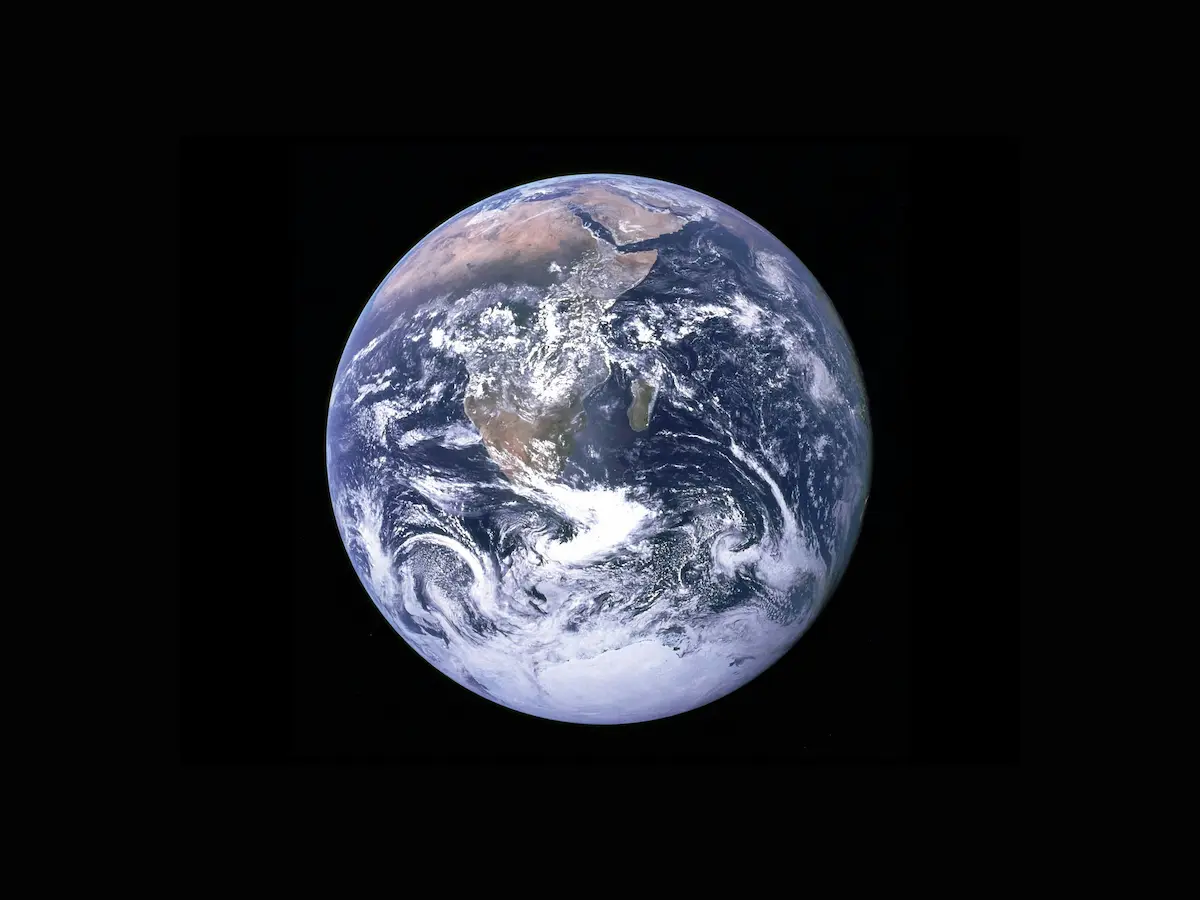
Earth Day is a good moment to ask a question most of us skip entirely: does it matter, environmentally, which type of internet you have?
The answer is yes, more than it used to. Streaming, remote work, AI tools, and connected devices have transformed internet connectivity from a background utility into one of the bigger draws on household electricity. And as that draw grows, the efficiency of the technology delivering it becomes genuinely meaningful.
The International Energy Agency’s Electricity Mid-Year Update 2025 found that global electricity demand is on pace to grow 3.3–3.7% annually through 2026, among the highest rates in the last decade. It’s driven by data centers, industrial electrification, EV adoption, and air conditioning.
Additionally, the IEA’s landmark Energy and AI report projects that data center electricity consumption alone will double by 2030, reaching roughly 945 TWh. To put it in respective, that’s the equivalent to the entire current electricity consumption of Japan.

Against that backdrop, not all internet connections are equal. Fiber-optic is the most energy-efficient residential broadband technology available today. Here is what the data actually shows, including the one sustainability angle the industry rarely talks about honestly.
Why Your Broadband Technology Type Affects Your Energy Footprint
It might seem like it, but data doesn’t travel by magic. It flows through physical infrastructure: cables, signal boosters, active electronics, and the equipment in your home, all of which consume electricity. The amount of electricity required depends entirely on the underlying technology.
Cable (DOCSIS/HFC) runs over coaxial copper lines and requires powered signal amplifiers distributed throughout the network to compensate for signal loss over distance.
DSL pushes signals over aging telephone copper. Every neighborhood needs powered roadside cabinets, and DSL is notoriously inefficient, fighting electrical noise on old copper lines eats a lot of energy per bit of data delivered.
Satellite internet routes data to orbiting satellites and back. Each user’s dish can draw 30–100 watts continuously to maintain a link, comparable to running a bright light bulb nonstop, per household.
Fiber-optic transmits data as pulses of light through glass strands. There’s minimal signal loss, so you don’t need powered boosters along the way. The fiber ONT (Optical Network Terminal) in your home typically draws only 5–10 watts. The physics of light-through-glass are simply more efficient than electrons-through-copper.
How Much Less Energy Does Fiber Actually Use?
At a moderate 50 Mbps, a typical fiber connection uses about 56 kWh of electricity per year versus roughly 88 kWh for a comparable cable (DOCSIS) connection; 36% less. At gigabit speeds, that gap widens dramatically because copper-based systems struggle exponentially more as speeds increase.
Advanced DSL (VDSL2) and cable HFC networks consume roughly 1.8–2.2 times more power than modern fiber networks, and as much as 7.5 times more compared to an optimized fiber GPON network.
Europacable / Prysmian study
World Broadband Association / Omdia
Fiber Broadband Association, 2024
Less energy used means fewer carbon emissions from the power plants generating that electricity. The Fiber Broadband Association found operational emissions from fiber-to-the-home networks can run up to 96% lower than for traditional cable HFC infrastructure, largely because fiber’s passive network architecture simply needs far fewer powered devices in the field.
What About the Materials?
Fiber-optic cable is made primarily of silica glass and plastic sheathing. Coaxial cable for cable internet relies on copper, a metal that must be mined and refined. Copper mining is energy-intensive and can cause habitat destruction, soil contamination, and significant lifecycle emissions.
The manufacturing footprint reflects this difference. According to the FBA’s full sustainability white paper, producing 1 km of typical fiber cable results in roughly 883 kg of CO₂ emissions, compared to approximately 2,408 kg CO₂ to produce 1 km of coaxial cable; nearly three times more! Fiber cable is also lighter and carries far more data per strand, meaning less material is required to deliver the same network capacity.
Can Fiber Optic Cable Be Recycled?
Fiber optic cable recycling is genuinely difficult. Each cable consists of ultra-pure silica glass surrounded by layers of plastic coatings, protective sheathing, and sometimes metal reinforcements.
Separating those materials is costly and technically challenging. Unlike copper, which has a well-established recycling market because the recovered metal has real resale value, fiber optic components hold little resale value, so most end-of-life fiber cable currently ends up incinerated or in landfill.
The silver lining: The industry is actively developing solutions. Chemical recycling processes, manufacturer take-back programs, biodegradable sheathing materials, and “design for disassembly” cable architectures are all in progress.
And critically, because most fiber networks installed over the past two decades haven’t yet reached end-of-life (properly installed fiber can last 25–40+ years), the recycling challenge is one the industry still has time to solve at scale before it becomes a major waste problem.
Copper cables are already being recycled, but that’s partly because they wear out much faster. Copper corrodes, degrades with moisture, and hits data capacity limits that force repeated infrastructure upgrades. Every upgrade cycle generates new manufacturing emissions and new waste. Fiber’s longevity breaks that cycle: lay it once, and it can serve the network for a generation.
It’s also worth noting that copper mining produces genuine, ongoing toxicity: sulfates, mercury, and PCBs can leach from mine sites into soil and waterways. Fiber optic glass, by contrast, does not contain toxic metals like lead or mercury, making it considerably more benign from a disposal standpoint even without dedicated recycling.
Fiber’s Hidden Sustainability Advantage: It Lasts
Fiber cables installed more than 35 years ago are still in service today, and carrying data at speeds thousands of times faster than they were originally designed for. That’s because fiber’s physical capacity isn’t exhausted by increased speeds the way copper’s is. You upgrade the electronics at each end; the glass in the ground stays put.
This longevity has a compounding sustainability benefit. Fewer replacement cycles mean less new manufacturing, less construction, and less waste over the long run. Satellites, by comparison, have planned lifespans of 5–7 years before deorbiting and replacement. This translates into a constant stream of new hardware and rocket launches. DSL and cable networks face repeated node upgrades, cabinet replacements, and partial copper-to-fiber conversions that generate ongoing material and energy costs.
The Bigger Picture: Fiber Enables Greener Behaviors
There’s a second-order sustainability effect worth mentioning. Reliable, high-speed fiber enables remote work, video conferencing, telehealth, and distance education. These uses directly substitute for physical commutes and travel. Slow or unreliable internet doesn’t. If a connection drops during a video call, you get in the car. If it holds, you don’t.
As the world’s electricity grid electrifies rapidly (adding EVs, heat pumps, and AI-driven industrial loads at the same time), choosing infrastructure that uses less power to deliver the same connectivity is one of the small but real levers available to households.
Fiber isn’t a silver bullet for climate change. But in a world where every percentage point of efficiency gain matters across a massive installed base of infrastructure, it is the clear right choice among the broadband options available today.
Ready to make the eco-friendly switch?
Race Communications brings 100% fiber-optic internet to communities across California. It’s faster, more reliable, and the most energy-efficient broadband technology available.
Check Availability in Your Area →Frequently Asked Questions: Fiber Internet and Sustainability
Yes. Fiber-optic internet is more eco-friendly than cable in every measurable category during operation. Fiber uses approximately 36% less electricity than cable at standard speeds (50 Mbps), and up to 8 times less electricity at gigabit speeds. Operational carbon emissions from fiber-to-the-home networks can be up to 96% lower than traditional cable HFC infrastructure, according to Fiber Broadband Association research. Fiber also requires less physical infrastructure along the network route because it doesn’t need powered signal amplifiers.
DSL is one of the most energy-inefficient broadband technologies available. Industry analysis found that advanced DSL (VDSL2) networks consume approximately 1.8–2.2 times more power than modern fiber networks per unit of data delivered — and as much as 7.5 times more compared to an optimized fiber GPON network. This is because DSL must overcome electrical noise on aging copper telephone lines and power roadside distribution cabinets throughout the network.
Fiber optic cable recycling is currently difficult. Fiber cables consist of ultra-pure silica glass surrounded by plastic coatings and protective sheathing — materials that are expensive and technically challenging to separate. Unlike copper, which has high resale value that makes recycling economically viable, fiber optic components hold little resale value, so most end-of-life fiber today ends up incinerated or in landfill. However, the industry is actively developing solutions including chemical recycling, take-back programs, and biodegradable sheathing. Fiber’s 25–40+ year service life also means far less cable reaches end-of-life per decade compared to faster-degrading copper infrastructure.
Yes, fiber internet has a significantly smaller environmental footprint than satellite internet. Each satellite internet user’s dish can draw 30–100 watts of continuous power to maintain a link — far more than the 5–10 watts typical of a fiber ONT. Beyond home energy use, low-Earth orbit satellite constellations like Starlink require regular rocket launches to replace satellites that deorbit every 5–7 years. Expanding fiber networks requires no rocket launches and no orbital hardware — just ground crews laying cable.
The energy savings from switching to fiber primarily occur at the network infrastructure level — in the powered equipment the internet provider maintains along the network — rather than through large reductions in your home electricity bill. Your home modem or router draws a relatively small amount of power regardless of technology type. The bigger environmental impact comes from the provider’s infrastructure consuming less electricity to deliver service across thousands of customers.
Properly installed fiber optic cable can last 25 to 40 years or more. Fiber cables installed over 35 years ago are still operational today and carry data at speeds far beyond their original design specifications — because fiber capacity scales by upgrading the electronics at each end, not by replacing the cable itself. Copper cables, by contrast, corrode over time and hit data capacity ceilings that force periodic infrastructure upgrades. Fiber’s longevity means fewer replacement cycles, less manufacturing, and less waste over the infrastructure’s lifetime.
Fiber internet is considered the most sustainable broadband technology for several reasons: it uses significantly less electricity per bit of data than cable, DSL, or satellite; it produces lower carbon emissions over its operational lifetime; it is made primarily from abundant silica glass rather than scarce copper; it requires far less powered infrastructure along the network route; and it lasts decades without needing the infrastructure upgrades that generate ongoing manufacturing emissions and waste. As global electricity demand continues growing, fiber’s efficiency advantage becomes increasingly important.